Benefits of Heating Your Grow Space
Effective heating is an important part of regulating an indoor grow space. Seasonal changes and sudden temperature drops can create conditions that negatively affect plant health, making a portable heater a useful tool for maintaining a more stable environment.
Whether you're dealing with colder seasons or simply want more precise temperature regulation, targeted heating can help create a more consistent climate around your plants.
- Helps protect plants from seasonal temperature drops.
- Provides targeted heat without warming an entire room.
- Can help maintain a steadier temperature range throughout the day.
- Adjustable intensity provides greater control over how quickly a space is warmed.
- Timers, triggers, and daily cycles can automate temperature management.
- VPD controls can coordinate temperature and humidity for more advanced climate regulation.
Year-Round Temperature Support
Depending on where you live, supplemental heating may become necessary during colder seasons.
Dropping temperatures can create plant stress, negatively affect nutrient uptake, stunt growth, and contribute to other plant health problems.
Maintaining adequate temperatures can be particularly challenging when growing in areas that are naturally difficult to heat, such as garages and basements.
Seasonal Support
Supplemental heating can help maintain growing conditions as outdoor temperatures change throughout the year.
Cold-Space Heating
Garages, basements, and other difficult-to-heat areas can benefit from a dedicated heat source near the growing environment.
Targeted Warmth
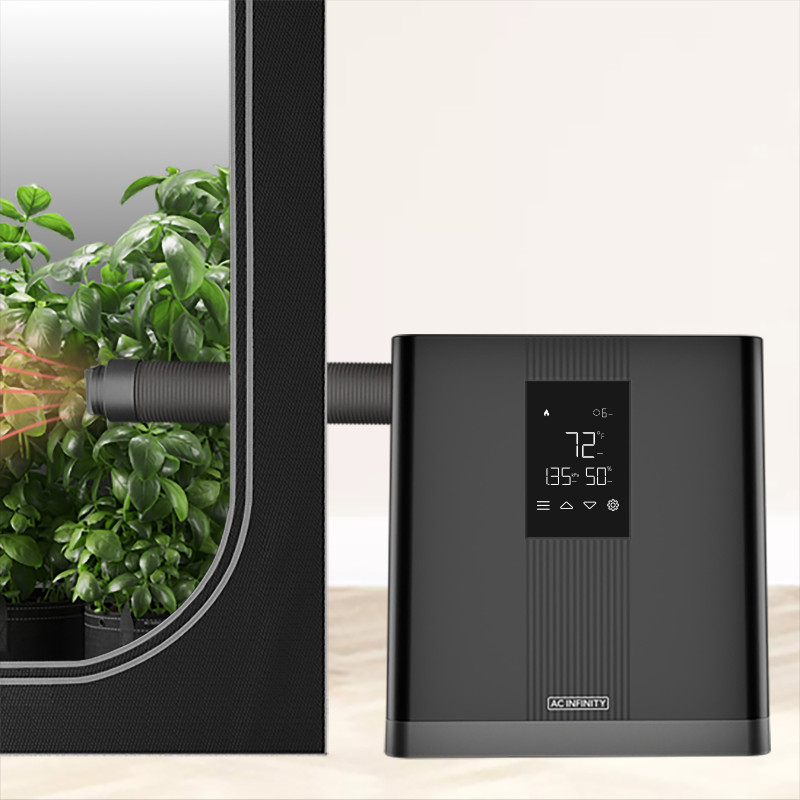
Ducting can be used to direct warm air toward specific areas instead of attempting to heat the entire surrounding room.
Focused Energy Use
Heating the area where warmth is needed can avoid the need to raise the temperature throughout a much larger space.
Instead of heating an entire room, a portable heater can direct warmth toward the growing environment where it is needed most.
Use Ducting for Targeted Heating
One advantage of a portable grow heater is the ability to direct warm air into a specific area.
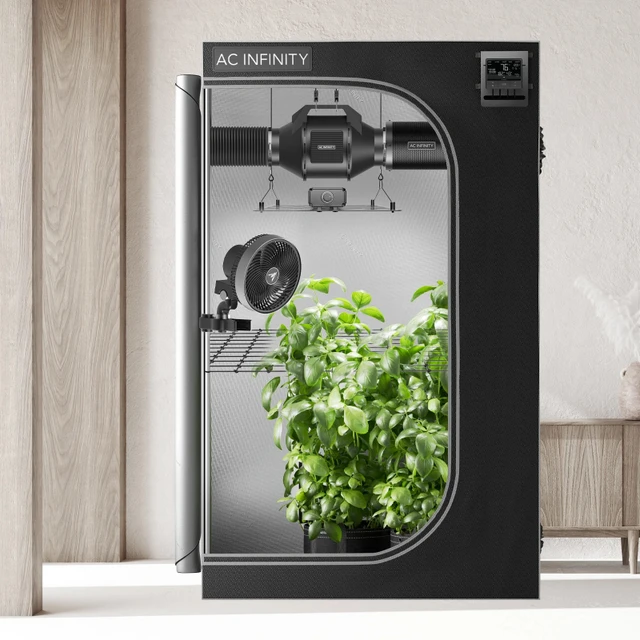
When paired with ducting, the heater can be positioned outside the immediate growing space while warm air is routed toward the plants.
The heater produces warm air outside or near the growing environment.
Ducting directs warm air toward the area where additional heat is needed.
Heat is concentrated around the growing environment rather than throughout the entire room.
Temperature controls can help keep the environment within the desired range.
Maintain a Steadier Climate
Grow heaters aren't limited to extremely cold environments. Even in locations with warmer temperatures throughout the year, supplemental heating can help provide a more consistent climate.
Programming features such as triggers, timers, and daily cycles allow the heater to respond to changing conditions and help maintain temperature within a desired range.
Set the heater to respond when environmental conditions reach predetermined points.
Control when heating operates throughout the grow schedule.
Create repeating temperature routines that align with changing conditions throughout the day.
Adjust Heating Intensity
Adjustable heat intensity provides another layer of control.
Depending on the conditions, growers can gently warm an area or increase the heating level when the space needs to reach the desired temperature more quickly.
Consistency Matters
A grow heater can be useful even when extreme cold isn't the primary concern. Automated temperature management can help reduce environmental swings and create a steadier growing climate.
More Advanced Climate Control
Heating can also become part of a broader environmental control system.
Heaters equipped with VPD (vapor pressure deficit) controls can track plant temperature, surrounding air temperature, and humidity to help maintain the desired growing climate.
Track the thermal conditions surrounding the plants.
Account for moisture levels within the growing environment.
Use temperature and humidity together for more nuanced environmental control.
Pair Heating with Other Climate Equipment
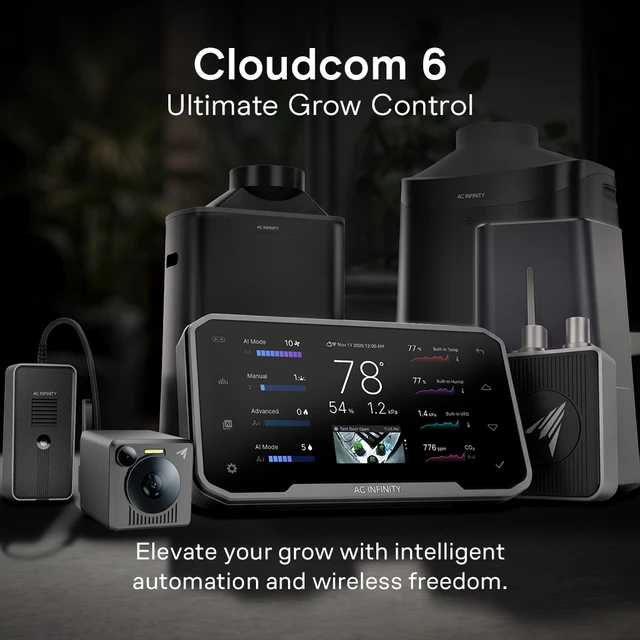
A heater is only one component of the growing environment. Pairing heating with other devices, such as inline fans and humidifiers, allows for more nuanced climate control.
Heating
Add warmth when temperatures fall below the desired range.
Ventilation
Use inline fans as part of the grow space's broader environmental management system.
Humidity
Use humidification alongside temperature management when additional moisture is needed.
Environmental Control
Coordinate equipment to maintain more precise growing conditions.
Add Smart Heating to Your Grow
Whether you're combating cold temperatures or looking for more precise environmental regulation, a smart heater can become a valuable part of an indoor grow setup.
THERMOFORGE T3
A smart environmental plant heater with VPD controls, 10 heat levels, and tubing that can extend into the grow tent for targeted heating.
Keep Your Grow Climate Consistent
Supplemental heating can help protect indoor plants from seasonal temperature drops while providing greater control over the growing environment throughout the year.
Targeted ducted heating, adjustable intensity, programming, and VPD controls provide growers with several ways to manage temperature without relying on heating the entire surrounding room.
Treat heating as part of the complete grow climate, working alongside humidity, ventilation, and environmental monitoring.