


Mastering Grow Room Climate: Plant Humidifiers are Essential
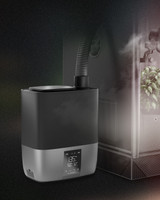
There is a moment in every indoor grow when things seem locked in. Your lights are dialed, your feeding schedule is consistent, and your plants look strong. Then something shifts. Leaves start curling slightly, growth slows, and the overall energy of the room feels off. In most cases, the issue is not nutrients or lighting. It is humidity.
More specifically, it is the lack of control over humidity. And that is where plant humidifiers become one of the most important tools in your entire setup.
Why a Plant Humidifier Matters More Than You Think
Humidity is often treated like a background detail, something you check once and move on from. In reality, it is one of the most active forces inside your grow space. Plants are constantly interacting with the air. They pull water through their roots and release it through their leaves in a process called transpiration. That exchange directly impacts how nutrients move, how fast plants grow, and how resilient they are to stress.
A plant humidifier gives you control over that process. Instead of reacting to problems after they show up, you are creating an environment where plants can thrive from the start.
Early Growth: Where a Plant Humidifier Makes the Biggest Impact
The earliest stages of growth are where a plant humidifier proves its value immediately. Seedlings and clones are fragile. Their root systems are still developing, which means they cannot pull enough water from the soil on their own. To compensate, they rely heavily on moisture in the air.
Without enough humidity, young plants struggle. They dry out faster than they can keep up with, which leads to slow growth and weak structure. This is where a plant humidifier changes everything.
By increasing moisture in the air, you reduce the demand on the roots. Plants can stay hydrated through their leaves while they build a stronger foundation below the surface. When the environment is right, you will notice it quickly. Leaves look fuller. Stems stand stronger. Growth becomes steady instead of inconsistent.
A plant humidifier is not just helpful here. It is essential.
When Plants Start Changing the Environment
As plants move into the vegetative stage, something interesting happens. They stop being passive and start actively shaping their environment. Through transpiration, they release increasing amounts of moisture into the air. At first it is subtle, then it builds quickly as leaf mass expands.
You might notice humidity rising even though you have not changed anything else in your setup. This is completely normal.
At this stage, a plant humidifier such as the Cloudforge T5 and Cloudforge T7 are still important, but their role shifts slightly. Instead of simply adding moisture, it becomes part of a balancing act. You are no longer just raising humidity. You are managing it.
In many setups, you will find yourself using a plant humidifier and a dehumidifier together. One adds moisture when levels drop, the other removes excess when plants start pushing too much into the air.
This balance is what keeps growth consistent.
Flowering Stage: Precision Becomes Everything
By the time your plants reach the flowering stage, humidity control becomes far more serious. Dense plant structure and increased moisture release create the perfect conditions for problems if the air is not managed correctly.
Mold and mildew thrive in high humidity, and once they appear, they are difficult to eliminate. This does not mean a plant humidifier is no longer useful. It simply means it needs to be used more strategically.
If your environment becomes too dry, plants can become stressed, slowing development and reducing overall quality. If it becomes too humid, you risk damaging your entire harvest.
Plant humidifiers help maintain stability, especially in environments that fluctuate due to weather, HVAC systems, or seasonal changes. It works alongside your ventilation and dehumidification to keep conditions in the optimal range.
Consistency is what matters most here.
The Hidden Challenge of Indoor Spaces
Not all grow environments behave the same way. Basements, spare rooms, and garages each come with their own quirks. Basements tend to hold more moisture because they sit below ground level, while climate-controlled rooms can become too dry due to constant heating or air conditioning.
This is why a plant humidifier is not just for one stage of growth. It is a tool that adapts to your environment. Some days it will be doing most of the work. Other days it may barely run.
The key is having it available so you can respond to what your space is doing in real time.
Scaling Your Setup Without Losing Control
As growers expand, managing humidity becomes more complex. A single plant humidifier might work perfectly in a small tent, but larger spaces often require a more layered approach.
You may need multiple units or a combination of localized and whole-room solutions. Even in bigger setups, the principle stays the same. Your plants are not growing in your entire house. They are growing in specific zones.
That means your plant humidifier should be focused on those zones first. Fine tuning smaller areas will always give you better results than trying to control everything at once without precision.
Automation Changes the Game
One of the biggest upgrades a grower can make is connecting their plant humidifier to a smart controller. Instead of manually adjusting settings throughout the day, automated systems monitor humidity levels and respond instantly.
If levels drop, your humidifier turns on. If they rise too high, other systems adjust accordingly. This creates a stable environment without constant attention.
It also helps you understand your grow space better. Over time, you start to see patterns in how humidity shifts based on plant size, lighting cycles, and external conditions. That knowledge makes every future grow more efficient.
What It Really Comes Down To
At its core, growing indoors is about control. You are building an environment from scratch and asking your plants to perform at their best inside it. Every detail matters, but humidity is one of the few factors that touches everything at once.
Plant humidifiers are not just another piece of equipment. It is a foundation tool. It supports early growth, stabilizes the vegetative stage, and helps maintain balance during flowering.
When humidity is right, everything else becomes easier. Nutrient uptake improves. Growth becomes more consistent. Plants handle stress better. And most importantly, your results reflect it.
Once you start using a plant humidifier with intention, you will notice the difference. Not just in how your plants look, but in how your entire grow feels.
That is when things stop being guesswork and start becoming dialed in.


