Portable Air Conditioner Guide
There comes a point every summer when your house quietly starts working against you.
You wake up already feeling warm, your upstairs bedroom refuses to cool down, and by mid-afternoon your home office feels less like a productive workspace and more like the waiting room of a bus station without air conditioning.
You drag another fan into the room, crack open a window, and convince yourself you'll deal with it tomorrow. Tomorrow arrives, the temperature climbs another five degrees, and suddenly you're searching for a portable air conditioner while wondering why every product description sounds like it was written by an engineer.
The internet doesn't exactly make the decision any easier. One model claims to cool an entire apartment while another promises whisper-quiet operation, energy savings, smart home integration, and self-evaporating technology. Every portable air conditioner sounds like the best one ever built, yet somehow every review section contains someone insisting it's either life-changing or completely useless.
Portable air conditioners are incredibly effective when you understand what they actually do and how to choose the right one for your space.
Most people don't end up disappointed because they bought a bad machine. They end up disappointed because they bought the wrong machine for their room or expected it to do something it was never designed to do.
Once you understand the basics, choosing the right portable air conditioner becomes much easier.
- Portable air conditioners remove heat from a room and exhaust it outside through a window hose.
- They're ideal for targeted cooling in bedrooms, offices, apartments, garages, and other individual spaces.
- The highest BTU rating isn't automatically the best choice. Proper sizing matters more.
- Modern units can combine cooling, heating, dehumidification, circulation, and smart controls.
- Keep the exhaust hose short and straight and clean the filter regularly for better performance.
- Portable ACs work best when matched to the room's size and actual cooling demands.
What Is a Portable Air Conditioner?
A portable air conditioner is a self-contained cooling system that removes heat from a room and exhausts it outside through a window hose.
Unlike central air conditioning, which cools an entire home through ductwork, or window units that permanently occupy a window opening, portable air conditioners can be moved from room to room depending on where cooling is needed most.
That flexibility has made them one of the fastest-growing cooling solutions for homeowners, renters, students, and anyone who doesn't want to install permanent equipment.
Cools an entire home through a central HVAC system and ductwork.
Installs directly into a window opening to cool an individual room.
Stays inside the room and transfers heat outdoors through an exhaust hose.
Despite the name, "portable" doesn't necessarily mean you'll be carrying it around the house every afternoon. Most units include caster wheels that allow them to roll easily across hardwood, tile, or low-pile carpet.
Once they're positioned near a window and connected to the included exhaust kit, they're ready to cool everything from bedrooms and home offices to finished basements and garages.
How Does a Portable Air Conditioner Work?
A portable air conditioner doesn't create cold air. Instead, it removes heat from your room and transfers that heat outdoors.
Indoor air is pulled into the portable air conditioner.
The refrigeration system absorbs heat from the indoor air.
The unit blows the cooled air back into your living space.
Captured heat travels through the exhaust hose and exits through the window.
As part of that process, moisture is also removed from the air. This is one reason rooms often feel more comfortable even before they've reached the desired temperature.
Lower humidity makes warm air feel significantly less oppressive, which is especially noticeable during long stretches of hot, humid summer weather.
What about the water?
Most modern portable air conditioners include self-evaporative technology that minimizes how often you'll need to empty collected water. In many climates, you may never have to drain the unit during normal cooling operation.
Why Are Portable Air Conditioners So Popular?
The way people use their homes has changed dramatically over the past decade. Spare bedrooms have become home offices. Garages have transformed into workshops and home gyms. Finished basements now serve as movie rooms, music studios, or gaming spaces.
Cooling an entire house when you're only spending time in one room simply isn't an efficient use of energy.
Portable air conditioners solve that problem by delivering cooling exactly where it's needed. Instead of lowering the temperature throughout every hallway and unused bedroom, they focus on the spaces where people actually spend their time.
That targeted approach can improve comfort while helping reduce energy costs compared to running central air continuously.
- No permanent installation
- Easy setup in most windows
- Ability to move between rooms
- Excellent option for renters
- Supplemental cooling for hot areas of the home
- Built-in dehumidification
- Many models include heating functions
- Smart home and WiFi compatibility on newer units
Portable Air Conditioner vs. Window Air Conditioner
This comparison comes up almost every summer, and there isn't a universal answer because both systems have their strengths.
Window air conditioners generally offer slightly better efficiency because the heat-producing portion of the unit already sits outside the home.
Portable air conditioners keep the entire appliance indoors, using an exhaust hose to move heat outdoors. That design sacrifices a small amount of efficiency but adds significantly more flexibility.
- Rent your home or apartment
- Can't install a window AC
- Need cooling in different rooms throughout the year
- Want easier installation
- Prefer not to permanently block a window
For many households, convenience matters just as much as raw cooling performance.
Choosing the Right Portable Air Conditioner
One of the biggest misconceptions about portable air conditioners is that buying the highest BTU rating automatically gives you the best results.
In reality, choosing the right size for your room is much more important than choosing the biggest unit available.
An oversized air conditioner cools a room quickly, but it may shut off before removing enough humidity. The room may reach the correct temperature while still feeling damp and uncomfortable.
An undersized unit may struggle constantly, running all day without ever catching up on especially hot afternoons.
- Room square footage
- Ceiling height
- Amount of direct sunlight
- Number of windows
- Electronics producing heat
- Number of occupants
- Insulation quality
Every room creates different cooling demands, so these details matter more than many people realize.
A Modern Example of What a Portable Air Conditioner Can Do
Not long ago, buying a portable air conditioner meant accepting a few compromises. They cooled well enough, but they were often loud, required frequent draining, and gave you little control beyond turning the temperature up or down.
Today's premium portable air conditioners are beginning to look much more like complete climate systems than simple cooling appliances.
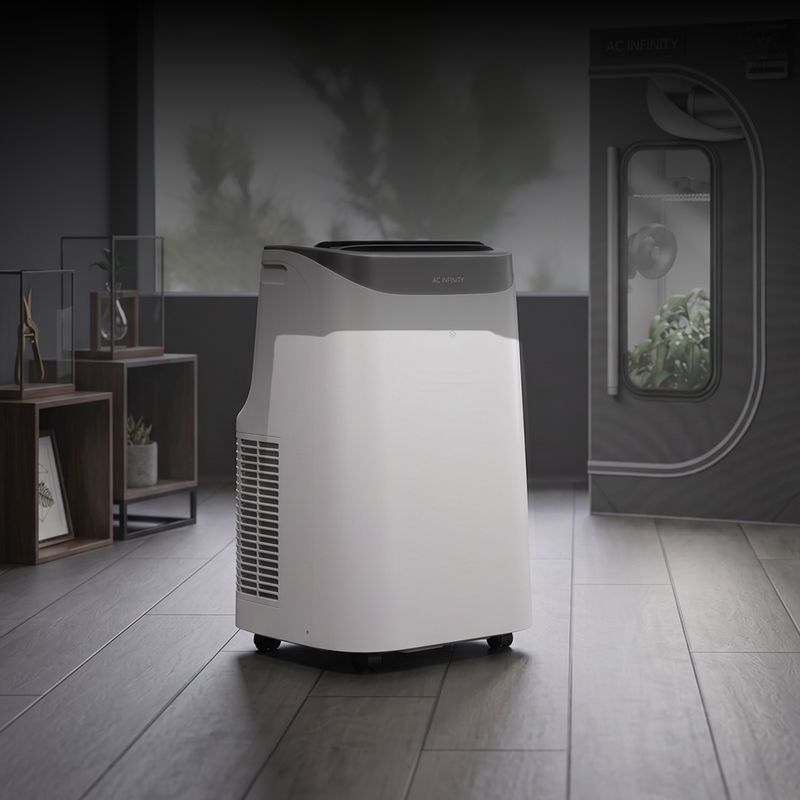
A good example is the AC Infinity AI Portable Air Conditioner, 5-in-1 Smart Home AC.
Rather than focusing only on cooling, it combines 12,000 BTU cooling, 10,000 BTU heating, dehumidification, fan circulation, and automatic climate management into a single portable unit designed for rooms up to 600 square feet.
Instead of constantly switching between modes yourself, it can automatically move between cooling, heating, and airflow to maintain what the company calls a "true feels-like climate," creating a more consistent indoor environment throughout the day.
One of the biggest improvements is how much quieter portable air conditioners have become. The AC Infinity model uses a noise-isolated compressor that operates as quietly as 48 dB, which is a noticeable difference if you're trying to cool a bedroom, home office, or living room without having to turn the television volume up every time the compressor starts.
It also features drainage-free operation under normal conditions, reducing one of the biggest maintenance complaints people have traditionally had with portable AC units.
Convenience has also become a major selling point for modern portable air conditioners. In addition to the included remote control, this unit connects to the AC Infinity mobile app and supports both Amazon Alexa and Google Home, allowing you to adjust temperatures, create schedules, receive smart alerts, and monitor your home's climate without leaving the couch.
Features like Sleep Sync, programmable timers, oscillation controls, and True Comfort climate sensing make it a good example of how portable air conditioners have evolved from basic emergency cooling appliances into connected smart home devices.
- 12,000 BTU cooling for rooms up to 600 sq. ft.
- 10,000 BTU intelligent heating for year-round comfort
- 5-in-1 operation including Cool, Heat, Dry, Fan, Auto, and Combo modes
- Whisper-quiet operation at approximately 48 dB
- Drainage-free design for reduced maintenance
- Smartphone app control with smart automations
- Compatible with Amazon Alexa and Google Home
- Automatic climate sensing that adjusts comfort throughout the day
Understanding BTU Ratings
BTU stands for British Thermal Unit, which measures how much heat an air conditioner can remove from a room each hour.
Higher BTU ratings generally indicate greater cooling capacity, but bigger isn't always better.
Think of it like buying shoes. Choosing the largest size available doesn't make them more comfortable. The same principle applies here.
The ideal portable air conditioner is one that matches your room rather than overpowering it.
Manufacturers usually recommend room sizes for each model, making it easier to narrow down your options before comparing additional features.
Features Worth Paying For
Manufacturers love adding features to portable air conditioners, but not every upgrade improves your everyday experience. Some genuinely make life easier, while others simply look impressive on the box.
Quiet Operation
Older portable air conditioners had a reputation for being noisy. Today's inverter-driven compressors and improved fan designs have dramatically reduced operating noise, making modern units much more suitable for bedrooms and home offices.
Smart Controls
WiFi connectivity allows you to control your portable air conditioner from your smartphone, create schedules, adjust temperatures remotely, and integrate cooling into smart home routines.
Heating Mode
Many portable air conditioners also function as heat pumps. Instead of purchasing separate heating and cooling appliances, you can enjoy year-round climate control from one machine.
Dehumidifier Mode
Sometimes humidity is the real problem rather than temperature. Dedicated dry modes remove excess moisture without aggressively lowering room temperature, making spaces feel more comfortable even during mild weather.
Where Should You Use a Portable Air Conditioner?
Portable air conditioners work well almost anywhere traditional cooling struggles.
They're particularly useful in older homes where certain rooms never seem to receive enough airflow from the central HVAC system.
Common Mistakes to Avoid
Buying a portable air conditioner is relatively straightforward, but a few common mistakes can significantly reduce performance.
Keep the exhaust hose as short and straight as possible. Long, twisted hoses trap heat and reduce efficiency.
Clean the air filter regularly because clogged filters restrict airflow and force the unit to work harder.
Close doors and windows while cooling a room. Trying to air condition the outdoors is a battle no machine can win.
A room with large west-facing windows will require more cooling than an identical room with plenty of shade.
Paying attention to these environmental factors helps set realistic expectations before you buy.
Is a Portable Air Conditioner Worth It?
For many homeowners and renters, the answer is yes.
A portable air conditioner fills an important gap between fans and central air conditioning. It gives you the ability to cool specific rooms without paying to condition your entire home, making it a practical solution for people who spend most of their day in one area.
Whether you're working remotely, sleeping upstairs during a heat wave, exercising in a garage gym, or trying to make an apartment more comfortable, portable air conditioners offer flexibility that's difficult to match.
Modern units are quieter, smarter, and significantly more efficient than the portable air conditioners many people remember from years ago.
With improved compressor technology, WiFi controls, self-evaporative systems, and better energy performance, they've evolved into reliable household appliances rather than temporary summer purchases.
Frequently Asked Questions
What is a portable air conditioner?
A portable air conditioner is a movable cooling appliance that removes heat from a room and vents it outside through an exhaust hose connected to a window.
Do portable air conditioners really work?
Yes. When properly sized and installed, portable air conditioners effectively cool individual rooms while also reducing indoor humidity.
Do portable air conditioners use a lot of electricity?
Most portable air conditioners use less electricity than cooling an entire home with central air, especially when you're only using one or two rooms.
Can you use a portable air conditioner without a window?
Not effectively. The unit must vent hot air outside through a window, sliding door, or another approved opening.
How long do portable air conditioners last?
With routine cleaning and proper maintenance, many quality portable air conditioners provide reliable cooling for eight to twelve years.
Choosing the Right Portable Air Conditioner
A portable air conditioner is more than just another appliance you pull out when the weather turns miserable. It's a practical way to reclaim the rooms that become unbearable every summer without committing to expensive renovations or running central air around the clock.
Whether you're cooling a bedroom, creating a comfortable workspace, or making movie nights in the basement enjoyable again, the right portable air conditioner delivers comfort exactly where you need it.
The key is choosing a model that fits your space instead of chasing the biggest specifications on the shelf.
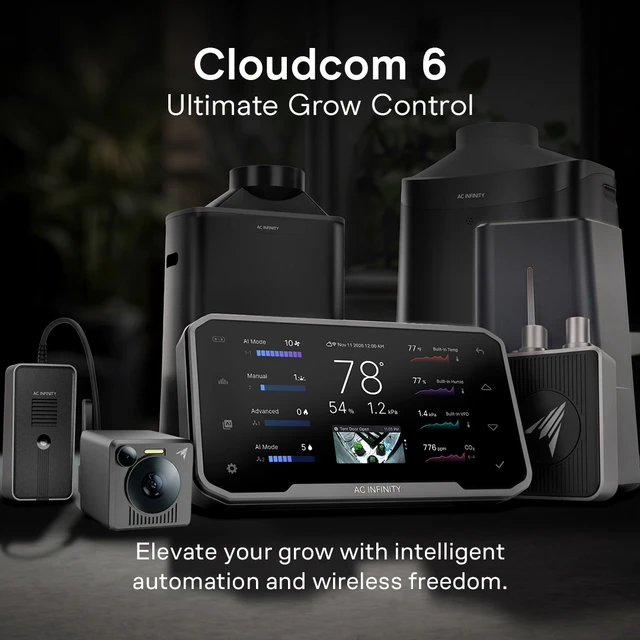
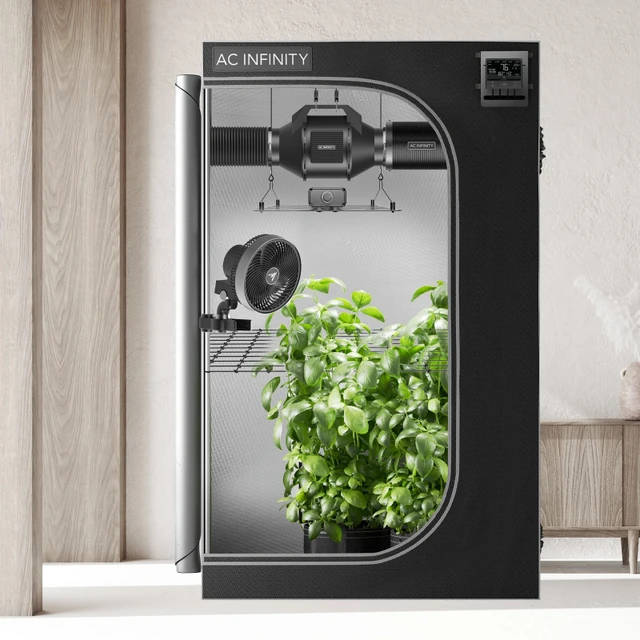
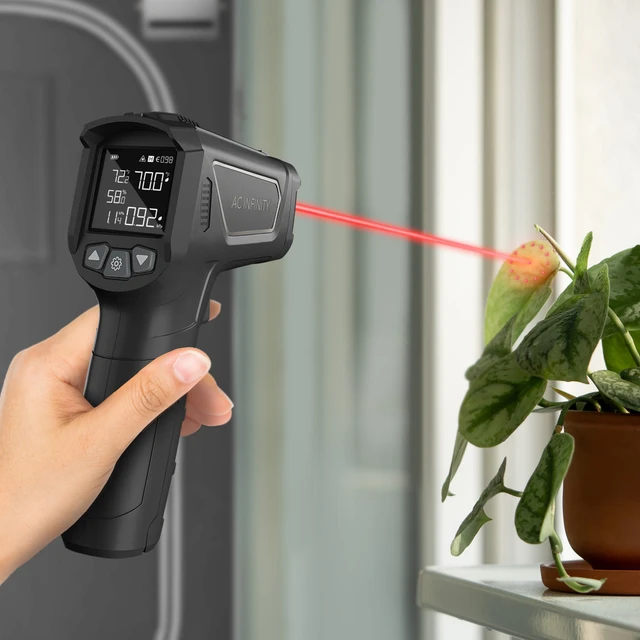
A portable air conditioner can be useful when heat from lighting and equipment starts pushing a grow space beyond its comfortable range. Choosing the right unit means looking at cooling capacity while also accounting for humidity, airflow, and how the tent or room is ventilated. Once the conditions are measured, smart controllers helps bring the equipment under control, while grow tent climate control and humidifiers cover the broader climate-management picture. When cooling or moisture becomes the limiting factor, dehumidifiers gives you another way to manage the environment.