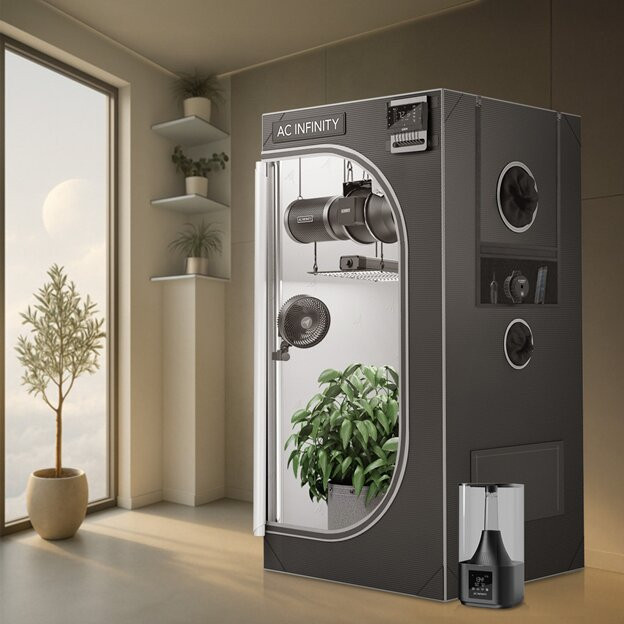
The Ultimate Grow Tent Guide
If you've spent more than five minutes researching indoor gardening, you've probably discovered a strange phenomenon. Every conversation eventually turns into a debate about grow lights.
One person swears by a certain LED spectrum. Another insists their yields doubled after upgrading fixtures. Someone else is posting charts, graphs, and scientific studies that look like they belong in a university lecture hall.
Meanwhile, the single piece of equipment that determines whether any of that technology works properly is often treated like an afterthought.
A grow tent isn't just a box made of reflective fabric. It's the foundation of your entire indoor growing environment.
It controls how light behaves, how air moves, how humidity accumulates, how temperatures fluctuate, and ultimately how well your plants perform from seedling to harvest.
The reality is simple. You can buy the most powerful LED grow light available, install premium ventilation equipment, and invest in top-tier environmental controls. If those components are operating inside a poorly designed grow tent, you're making the entire process harder than it needs to be.
The good news is that choosing the right grow tent doesn't have to feel overwhelming.
This guide covers everything you need to know about grow tents, including sizing, construction, ventilation, climate control, lighting considerations, setup tips, common mistakes, and the best ways to build an efficient indoor growing environment using modern equipment.
- A grow tent creates a controlled indoor ecosystem for managing temperature, humidity, airflow, lighting, filtration, and other environmental conditions.
- Choosing the right size depends on your available space, plant count, and future growth plans.
- Frame strength, fabric quality, reflective interiors, and light-proof construction all affect long-term performance.
- Proper ventilation requires exhaust airflow, carbon filtration, internal circulation, and fresh intake air.
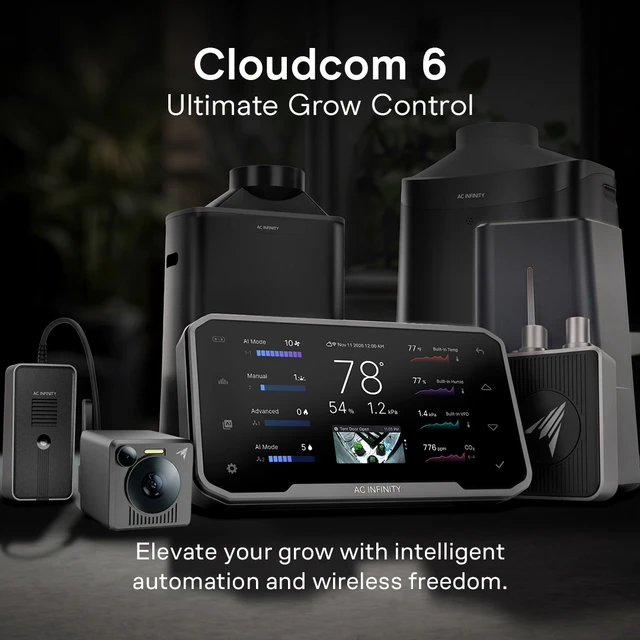
- Modern controllers can automate temperature, humidity, VPD, fan speed, lighting schedules, and connected equipment.
- A quality grow tent should be selected as the foundation of the complete growing system, not as an afterthought.
What Is a Grow Tent?
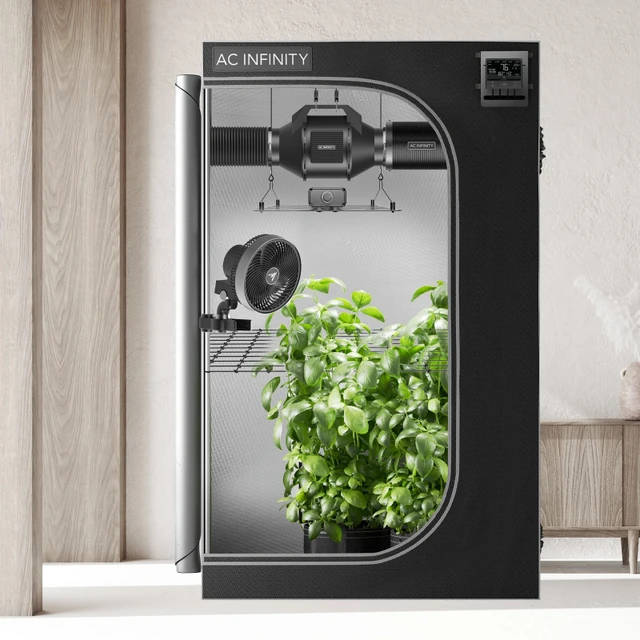
At its core, a grow tent is a portable, enclosed growing environment designed to create ideal conditions for indoor plants.
Think of it as a controlled ecosystem. Instead of relying on outdoor weather, seasonal changes, and unpredictable environmental conditions, a grow tent allows you to create the exact climate your plants need.
Modern grow tents are built using reflective interior materials, durable exterior fabrics, steel support frames, and strategically placed ventilation ports.
- Temperature
- Humidity
- Airflow
- Lighting schedules
- Carbon filtration
- VPD (Vapor Pressure Deficit)
- CO2 management
This level of control is why grow tents have become one of the most popular solutions for indoor cultivation.
Unlike outdoor gardens, which are constantly affected by weather patterns, a properly configured grow tent allows growers to create consistent conditions year-round.
Consistency is one of the most important factors in plant health, and healthy plants generally produce better results.
Why Use a Grow Tent Instead of Growing Outdoors?
Sunlight is free. Rainwater is free. Nature has been growing plants successfully for millions of years. Unfortunately, nature doesn't care about your harvest schedule.
Outdoor gardens are exposed to heat waves, storms, humidity spikes, pests, temperature swings, and seasonal limitations. One week of poor weather can undo months of progress.
Consistent Temperatures
Plants thrive when temperatures remain stable. A grow tent helps maintain ideal growing conditions while reducing exposure to sudden environmental swings.
Better Humidity Control
Humidity directly impacts plant growth, nutrient uptake, transpiration, and disease prevention. Indoor environments make it easier to maintain optimal humidity levels throughout each growth stage.
Year-Round Growing
One of the biggest advantages of a grow tent is the ability to grow regardless of season. Winter, summer, spring, and fall become largely irrelevant when environmental conditions are controlled indoors.
Enhanced Light Efficiency
Reflective grow tent interiors maximize light distribution throughout the canopy, helping plants receive more uniform exposure.
Greater Environmental Control
When combined with modern equipment like AC Infinity's Controller AI+, growers can automate climate management and maintain ideal conditions around the clock.
Why Grow Tent Quality Matters
At first glance, many tents appear similar. They're black on the outside, reflective on the inside, and available in standard sizes.
The differences become obvious after months of use.
- Strong structural support
- Durable fabric construction
- Light-proof seals
- Efficient ventilation options
- Reliable zippers
- Stable environmental control
Cheap tents often cut corners in areas that matter most. Thin materials, weak poles, poor stitching, and light leaks can quickly create problems that affect plant performance.
Your grow tent isn't simply housing your plants. It's supporting expensive equipment and maintaining the environment that keeps your plants healthy.
Choosing the Right Grow Tent Size
One of the most common questions new growers ask is simple:
"What size grow tent do I need?"
The answer depends on three factors:
Start with the amount of floor space and height you can realistically dedicate to the tent.
Consider how many plants you plan to grow and how much canopy space they will require.
Leave room for equipment and potential expansion instead of sizing only for your immediate needs.
Compact & Beginner Friendly
A 2x2 grow tent is ideal for beginners, small spaces, herbs, leafy greens, and compact gardens.
The AC Infinity CLOUDLAB 422 is a popular option for growers working with limited space while still wanting professional-grade construction.
- Fits almost anywhere
- Lower equipment costs
- Easier environmental management
- Excellent for first-time growers
Versatile Footprint
The 2x4 grow tent is one of the most versatile sizes available.
A CLOUDLAB 642 provides enough space for multiple plants while remaining manageable for most indoor environments.
- Better canopy distribution
- Efficient lighting coverage
- Strong production potential
- Excellent use of floor space
The Grow-Room Standard
Many experienced growers consider the 4x4 grow tent the gold standard.
The CLOUDLAB 844 provides enough room for larger harvests while still fitting comfortably inside spare bedrooms, basements, and garages.
- Room for advanced equipment
- Larger harvest potential
- Better environmental stability
- Increased growing flexibility
Serious Hobbyist
For serious hobbyists, a 5x5 grow tent provides substantial growing space without becoming difficult to manage.
A properly equipped 5x5 setup can support multiple mature plants while maintaining ideal environmental conditions.
Expanded Rectangular Canopy
The 8x4 footprint has become increasingly popular because it maximizes rectangular floor space.
- Create larger canopies
- Run multiple lights efficiently
- Separate plant groups
- Scale production significantly
How Many Plants Fit in a Grow Tent?
While every plant grows differently, grow-tent dimensions provide a useful starting point for planning your indoor garden.
Keep in mind that training techniques, genetics, containers, and growth goals all affect spacing requirements.
AC Infinity Grow Tent Size & System Comparison
Not sure which grow tent is right for your indoor garden? Use the chart below to compare AC Infinity's most popular Advance Grow Tent Systems based on grow space, recommended plant count, included LED grow light, and starting system price.
| Model | Tent Size | Recommended Plant Count | Included LED Grow Light | Complete System Starting Price* |
|---|---|---|---|---|
| Advance Grow System 2x4 | 2' × 4' | 2-4 Plants | IONBOARD S24 (200W) | From $599 |
| Advance Grow System 4x2 | 4' × 2' | 2-4 Plants | 2 × IONBOARD S24 (200W) | From $599 |
| Advance Grow System 3x3 | 3' × 3' | 3-4 Plants | IONBOARD S33 (240W) | From $699 |
| Advance Grow System 4x3 | 4' × 3' | 4-6 Plants | IONFRAME EVO4 (300W) | From $899 |
| Advance Grow System 4x4 | 4' × 4' | 4-6 Plants | IONFRAME EVO6 (500W) | From $999 |
| Advance Grow System 5x4 | 5' × 4' | 6-8 Plants | IONFRAME EVO6 (500W) | From $1,299 |
| Advance Grow System 8x4 | 8' × 4' | 8-10 Plants | 2 × IONFRAME EVO6 (500W) | From $1,699 |
| Advance Grow System 8x8 | 8' × 8' | 12-16 Plants | 2 × IONFRAME EVO6 (500W) | From $3,199 |
| Advance Grow System 10x5 | 10' × 5' | 10-12 Plants | 2 × IONFRAME EVO10 (1000W) | From $2,699 |
| Advance Grow System 10x10 | 10' × 10' | 20-24 Plants | 4 × IONFRAME EVO10 (1000W) | From $5,299 |
*Pricing is based on AC Infinity Advance Grow Tent Systems and includes the grow tent, LED grow light, inline ventilation system, carbon filter, smart controller, circulation fan, ducting, fabric pots, and other essential accessories. Prices may change during sales or product updates.
Understanding Grow Tent Frames
The frame is the skeleton of your grow tent.
It supports everything hanging above your plants, including:
A high-quality frame prevents sagging and maintains structural integrity over years of use.
Steel Frames
Premium grow tents like the AC Infinity CLOUDLAB Series utilize steel poles designed to support substantial weight loads.
- High durability
- Better load capacity
- Long-term reliability
- Reduced flexing
When you start adding lighting systems, carbon filters, and ventilation equipment, strong support becomes critical.
Grow Tent Fabric: What Actually Matters?
Most growers focus on dimensions first, but fabric quality often determines long-term performance.
Quality fabric helps prevent unwanted light from entering or escaping the grow space.
Substantial tent material helps create a more controlled indoor environment.
Heavy-duty construction helps resist tearing through repeated use.
Better materials help support more consistent environmental conditions.
Premium grow tents use heavy-duty canvas materials that resist tearing while maintaining excellent light-proof performance.
A quality grow tent should feel substantial, not flimsy.
Reflective Interiors and Light Efficiency
One of the most important features of a grow tent is its reflective interior.
Reflective Mylar helps maximize the effectiveness of your lighting system by redirecting photons back toward the canopy.
- Increased light efficiency
- Better canopy coverage
- Reduced wasted energy
- More uniform plant growth
When paired with high-efficiency LEDs like the AC Infinity IONFRAME EVO Series, reflective interiors significantly improve overall lighting performance.
Grow Tent Ventilation Explained
Ventilation is where many new growers struggle.
Plants need fresh air.
Without proper airflow, temperatures rise, humidity builds, and stagnant conditions develop.
A complete grow tent ventilation system typically includes:
An inline fan actively removes stale air while introducing fresh air into the growing environment.
Carbon filters eliminate odors while helping maintain clean airflow.
Internal air movement helps prevent stagnant pockets and supports more uniform conditions.
Fresh air enters the tent to replace the air being removed through the exhaust system.
Inline Fan
An inline fan actively removes stale air while introducing fresh air into the growing environment.
The AC Infinity CLOUDLINE Series has become one of the most trusted ventilation solutions because of its quiet operation and intelligent controls.
Carbon Filter
Carbon filters eliminate odors while helping maintain clean airflow.
Pairing a CLOUDLINE fan with a carbon filter creates an efficient exhaust system.
Oscillating Fans
Air movement inside the tent is equally important.
- Prevent stagnant air pockets
- Strengthen stems
- Improve transpiration
- Reduce mold risk
Intake Air
Fresh air must enter the tent to replace exhausted air.
Most grow tents use passive intake vents positioned near the bottom of the tent.
Grow Tent Climate Control
Environmental control is where modern indoor growing has evolved dramatically.
Today's growers have access to technology that would have seemed impossible a decade ago.
Temperature
Most plants thrive between 70°F and 85°F depending on growth stage. Maintaining stable temperatures improves growth rates and overall plant health.
Humidity
Humidity requirements change throughout a plant's lifecycle. Seedlings generally prefer higher humidity, while mature plants often perform better at lower humidity levels.
VPD
Vapor Pressure Deficit has become one of the most important concepts in indoor cultivation. Rather than focusing only on temperature or humidity independently, VPD examines how both interact.
Modern controllers help growers maintain ideal VPD targets automatically.
Smart Grow Tents and Automation
Automation is rapidly changing indoor cultivation.
Systems like Controller AI+ can monitor and manage:
Instead of constantly making manual adjustments, growers can create automated responses to changing environmental conditions.
The result is a more stable grow environment and less daily maintenance.
Best Grow Tent Setup for Beginners
If you're building your first grow tent, focus on simplicity.
A beginner-friendly setup might include:
Creates the enclosed environment that supports the rest of the system.
Provides the primary light source for plant growth.
Exhausts stale air and helps regulate the tent environment.
Filters odors from the air moving through the exhaust system.
Connects environmental monitoring with intelligent equipment controls.
Maintains air movement throughout the plant canopy.
This combination provides everything needed to create a stable indoor environment while leaving room for future upgrades.
Common Grow Tent Mistakes
Buying Too Small
Many beginners underestimate how large plants become. Choose a tent that allows room for growth.
Ignoring Ventilation
Poor airflow creates numerous problems. Ventilation should never be an afterthought.
Overcrowding Plants
More plants do not always mean larger harvests. Crowded canopies often reduce airflow and light penetration.
Poor Environmental Monitoring
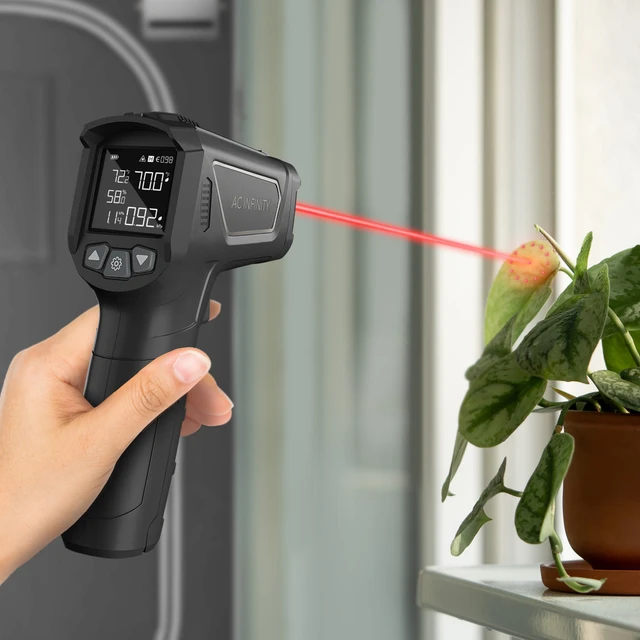
Guessing temperatures and humidity levels is a recipe for inconsistency. Use sensors and controllers whenever possible.
Opening the Tent Too Often
Every time the tent opens, environmental conditions shift. Constantly checking plants can create unnecessary fluctuations.
Grow Tent Placement Tips
Location matters more than many growers realize.
- Easy electrical access
- Fresh air availability
- Stable ambient temperatures
- Enough room for maintenance
- Spare bedrooms
- Basements
- Garages
- Closets
- Utility rooms
Avoid Extreme Temperatures
Avoid placing grow tents in areas exposed to extreme temperatures whenever possible.
Cleaning and Maintaining a Grow Tent
A clean grow tent supports healthier plants.
- Wiping surfaces
- Cleaning fans
- Inspecting filters
- Vacuuming debris
- Checking zippers
- Monitoring ducting
After each harvest cycle, perform a deep cleaning before introducing new plants.
Prevention is far easier than dealing with pests, mold, or contamination later.
Frequently Asked Questions About Grow Tents
What is the best grow tent size for beginners?
A 2x4 grow tent is often considered the ideal balance between production and manageability.
Are grow tents worth it?
Absolutely. Grow tents provide environmental control, better light efficiency, and year-round growing capabilities.
How long do grow tents last?
A quality grow tent can last many years when properly maintained.
Do grow tents increase yields?
Indirectly, yes. By creating stable growing conditions, grow tents help plants perform closer to their genetic potential.
What should I put in my grow tent?
At minimum, your grow tent should include a grow light, ventilation system, air circulation fan, and environmental monitoring equipment.
What is the best grow tent brand?
Many growers choose AC Infinity grow tents because of their build quality, intelligent ecosystem integration, durable construction, and advanced environmental controls.
Closing The Tent
A good grow tent setup is really a controlled environment built inside a room. Once the tent is chosen, airflow, lighting, temperature, humidity, and filtration all have to work together to keep conditions stable from one stage of growth to the next. That bigger picture is where grow tents and grow tent kits fit in, with inline fans and LED grow lights helping connect the space to ventilation and lighting.
Choose quality construction, prioritize ventilation, focus on environmental control, and build a system designed around stability.
Get those fundamentals right, and your grow tent won't just house your plants. It will become the engine that drives every successful harvest for years to come.
Explore AC Infinity Grow Tents →