Common Problems Indoor Growers Face
Taking care of plants indoors, especially inside a grow tent, is about much more than light and water.
Water, nutrients, light, temperature, humidity, soil conditions including pH and composition, and other environmental factors must be maintained within ranges that can vary according to the plant's current growth stage.
Making things more complicated, plants can sometimes show the same symptoms for several different problems.
For instance, chlorosis, or yellowing of the leaves, could be caused by overwatering, underwatering, or nitrogen deficiency.
When the same symptom can point to multiple problems, successful indoor growing becomes a process of identifying what changed and narrowing down the cause.
With that in mind, this guide covers some of the main problems faced by indoor growers, the symptoms to watch for, and the adjustments that may help.
- Poor ventilation can contribute to stagnant air, excess moisture, mold, and inconsistent growth.
- Overwatering can leave soil saturated and contribute to wilting, yellowing leaves, root problems, and fungus gnats.
- Underwatering commonly results in dry soil, wilting, slow growth, and dry or brittle leaves.
- Insufficient light can cause stretched stems, leggy growth, and pale foliage.
- Incorrect nutrient levels or soil pH can interfere with healthy growth and nutrient uptake.
- Temperature swings can stress plants and affect growth and flowering.
- Humidity that is too high or too low can create additional plant stress and environmental problems.
Start With the Symptoms, Not the Assumption
One of the challenges of diagnosing an indoor grow is that a single symptom does not always point to a single cause.
Look at the Entire Environment
Before making a major adjustment, consider the plant's soil moisture, airflow, lighting, nutrients, temperature, and humidity together. Similar symptoms can have different causes.
Poor Ventilation
Plants need proper ventilation to transpire effectively, which influences moisture absorption, nutrient exchange, and resistance to diseases like mold.
- Wilting foliage or drooping stems
- Mold or mildew on plants or inside the grow tent
- Persistent musty odors
- Uneven or inconsistent plant growth
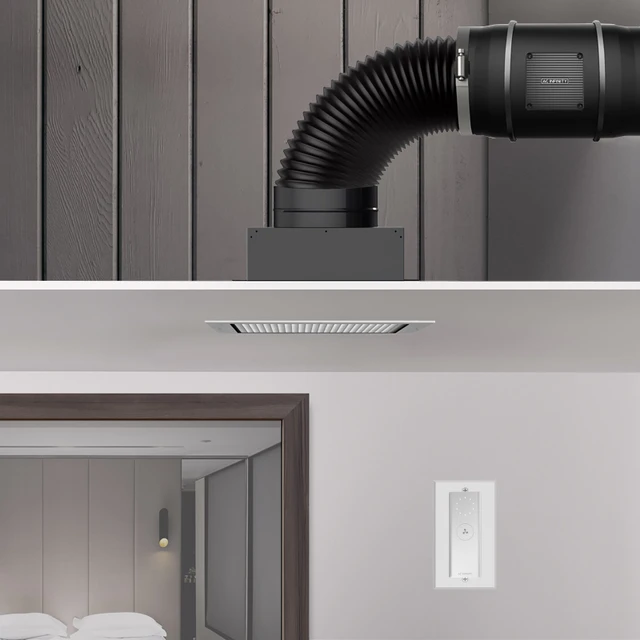
Fortunately, if stagnant air is the underlying issue and there is no additional problem compounding it, the solution may be improving the ventilation infrastructure.
Adequate ventilation is also closely connected with temperature and humidity control, which can create additional problems when they move outside the desired range.
Overwatering
Believe it or not, overwatering is, for many cultivars, as big of a problem as underwatering, if not bigger.
- Musty soil smell
- Soil stays soggy and doesn't dry out
- Wilting
- Yellowing leaves or leaf drop
- Brown roots
- Fungus gnats around the soil
The first and most immediate adjustment is to change the irrigation schedule so that the soil can dry properly between watering.
- Adjust the Watering Schedule Allow the growing medium to dry appropriately between watering instead of adding more water while it remains saturated.
- Improve Ventilation Use proper air circulation and ventilation to support environmental moisture management.
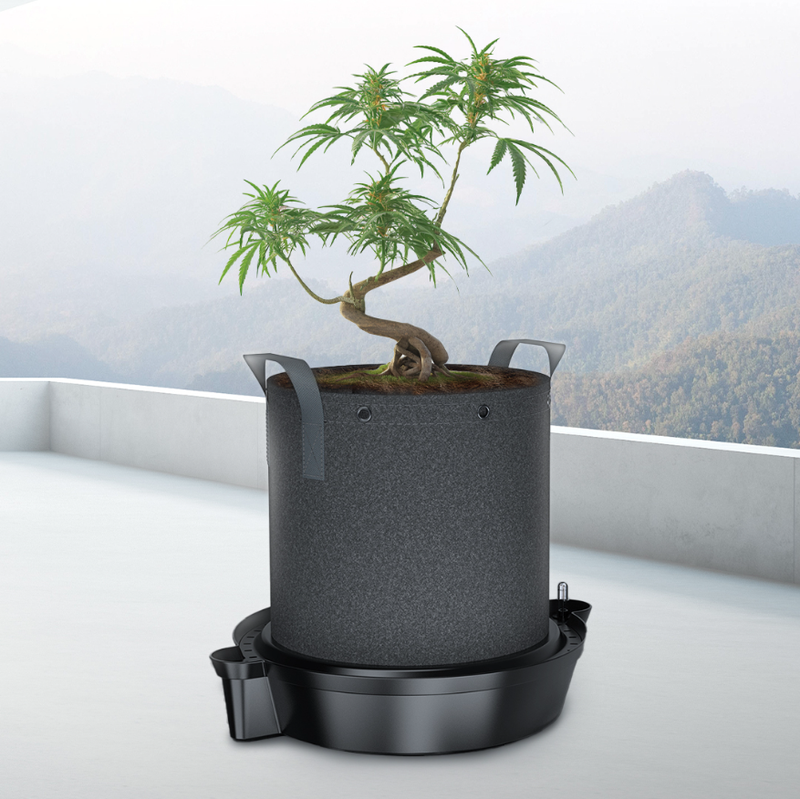
- Improve Drainage Use containers such as fabric pots that encourage the soil to drain properly.
Underwatering
Underwatering is usually easier to diagnose, and certainly easier to immediately address, than overwatering.
- Wilting
- Slow growth
- Yellowing, dry, or brittle leaves
- Persistently dry soil
Persistently dry soil is one of the biggest indicators that the plant may not be receiving enough water.
The quickest way to address underwatering is to adjust the irrigation schedule so that plants receive more water, or receive the same volume of water on a more frequent schedule.
Soil remains wet or soggy for too long, potentially accompanied by musty smells, yellowing, or root problems.
Soil remains persistently dry and plants may wilt, grow slowly, or develop dry and brittle foliage.
Inadequate or Insufficient Light
Etiolation is another problem among plants grown indoors, even those in grow tents, if they are not provided with adequate lighting.
Even modern LED grow lights, if not positioned properly or switched on for sufficient periods, may not provide plants with enough light for optimal growth.
- Stretched-out stems
- Plants reaching or becoming "leggy" toward a light source
- Pale green or yellowish leaves
The proper light spectrum should also be offered to the plant based on its current stage of growth.
Use high-quality lighting appropriate for indoor plant growth.
Position the grow light so plants receive adequate light across the growing area.
Automate the lighting schedule so plants receive consistent access to light.
High-quality, full-spectrum LED grow lights paired with a consistent schedule can help provide the light needed for healthy growth.
Inadequate Fertilization
Plants need to be fed the proper amount and balance of nutrients based on the cultivar and stage of growth.
Too little or too much fertilizer can stunt growth, burn the plant, or cause more serious damage.
Can indicate inadequate nitrogen levels or absorption.
May indicate a potassium deficiency.
Can indicate that too much fertilizer has been applied.
It is also critical to balance soil pH for what you are growing.
If pH is too high or too low for the species, the plant may not be able to properly absorb nutrients even when fertilizer is present in the soil.
Temperature Control Issues
Temperature swings can stress plants and severely impact growth and yield.
Some plants also require higher daytime temperatures and cooler nighttime temperatures.
Temperatures that are too high or too cold can stunt growth and cause blossom drop, which can become a serious issue once plants have entered their flowering stage.
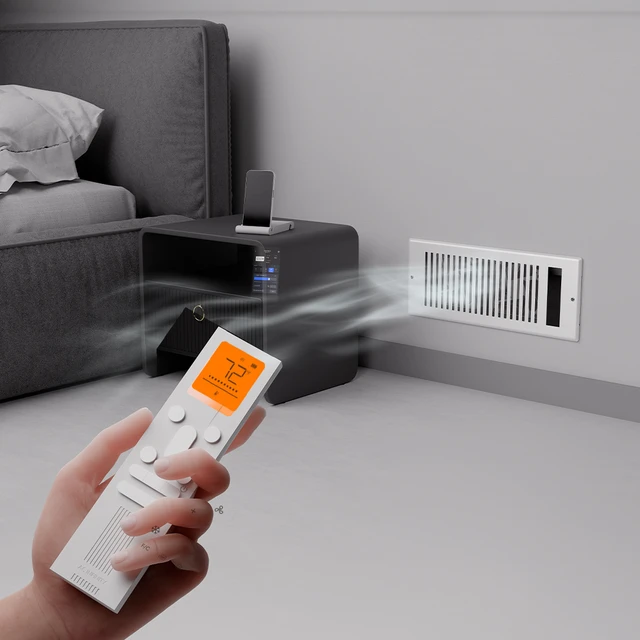
Helps manage heating and cooling within the grow environment.
Lighting is part of the overall environmental system and can influence grow-space conditions.
Air exchange and circulation help manage conditions inside the tent.
Controllers can monitor environmental conditions and help automate connected equipment.
Combining the necessary HVAC equipment, LED grow lights, ventilation accessories, and smart controls can help maintain temperatures within the desired range throughout the day.
Humidity Is Too High or Too Low
Humidity can significantly impact the growth and overall health of your plants.
Low humidity can create additional stress for plants.
Excess humidity can create conditions that encourage mold, mildew, and other pests.
Humidifiers and dehumidifiers, such as those in the CLOUDFORGE and HYDRONE series, provide humidity control when paired with controllers for monitoring the system and appropriate ventilation accessories.
Add humidity when the grow environment becomes too dry.
Remove excess moisture when humidity becomes too high.
A Simple Indoor Grow Troubleshooting Process
Because several grow problems can produce similar symptoms, troubleshooting is easier when you approach the environment systematically.
Identify the visible symptom before making adjustments.
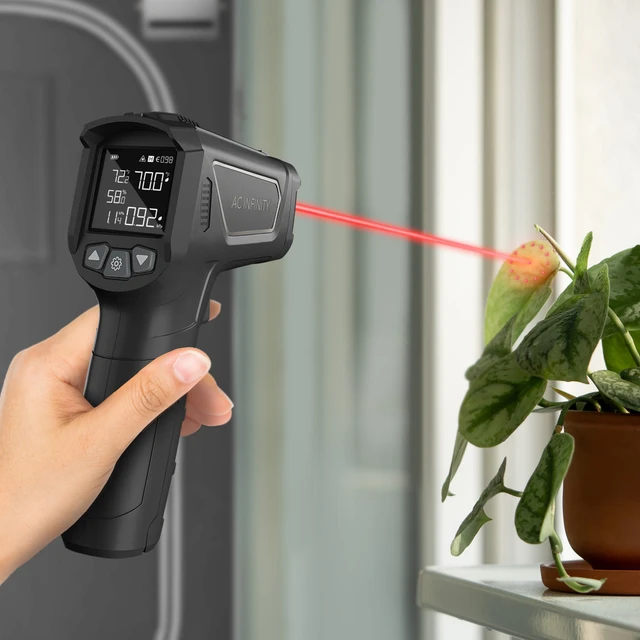
Review watering, lighting, nutrients, airflow, temperature, and humidity.
Correct the environmental factor that appears to be causing the problem.
Watch how the plant responds before making additional major changes.
Common Problems at a Glance
| Problem | Common Signs | What to Check |
|---|---|---|
| Poor Ventilation | Wilting, mold, musty odors, inconsistent growth | Fans, inline ventilation, ductwork |
| Overwatering | Soggy soil, wilting, yellowing, brown roots, fungus gnats | Watering schedule, drainage, ventilation |
| Underwatering | Dry soil, wilting, slow growth, brittle leaves | Water volume and watering frequency |
| Insufficient Light | Stretching, leggy growth, pale foliage | Light positioning, spectrum, schedule |
| Fertilization Issues | Chlorosis, brown edges, dried or burned leaves | Nutrient levels and soil pH |
| Temperature Issues | Stunted growth, stress, blossom drop | HVAC, ventilation, lighting, controls |
| Humidity Issues | Plant stress, mold, mildew | Humidification, dehumidification, ventilation |
Build a Grow Environment That Works as a System
Diagnosing indoor plant problems is rarely about looking at one piece of equipment in isolation.
Watering, lighting, nutrients, airflow, temperature, humidity, and soil conditions all interact inside the same environment.
The better you understand how those conditions work together, the easier it becomes to identify problems and make targeted adjustments instead of guessing.