Why Every Indoor Grower Should Consider Hydroponics
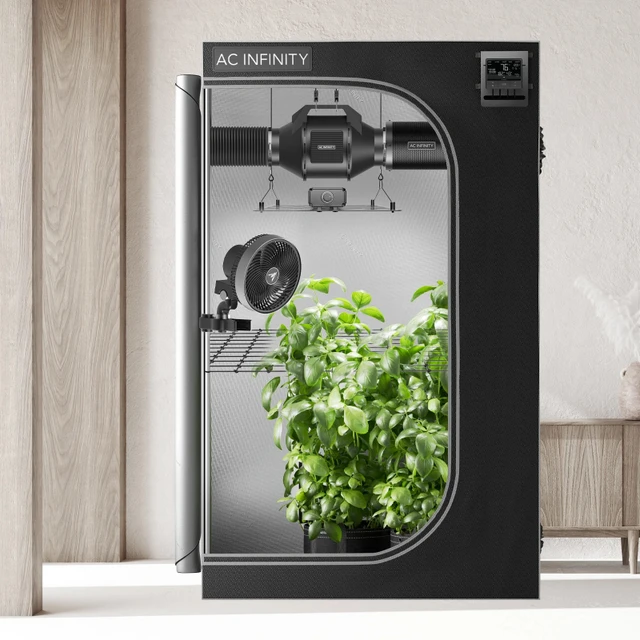
Indoor growers can certainly pursue their craft the conventional way, using pots, growing media, and grow tents to create a controlled environment. But soil-based growing isn't the only option.
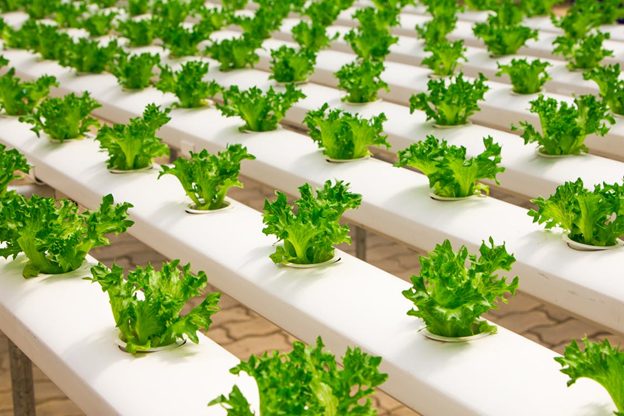
Hydroponic systems offer another approach. While there are many different types of hydroponic systems, each with different levels of complexity and cost, they can offer unique advantages to indoor growers when properly planned, monitored, and maintained.
From maximizing available space to gaining more precise control over nutrients and water, here are some of the biggest potential benefits of adding hydroponics to your indoor growing setup.
- Some systems eliminate the need for conventional soil or potting mix.
- Vertical hydroponic systems can make more efficient use of limited growing space.
- Precise control over water, oxygen, nutrients, and pH can support faster growth.
- Optimized growing conditions can support larger yields.
- Nutrient concentrations can be monitored and adjusted more precisely.
- Recirculating systems can reduce water waste.
- Removing conventional soil can provide greater control over some disease pathways.
Skip the Soil with Deep Water Culture
Not every hydroponic system eliminates the need for a root-support medium, but a deep water culture system, commonly called DWC, exposes plant roots directly to the nutrient solution and does not require conventional potting mix.
Plant roots are supported by a growing medium that holds water, air, and nutrients around the root zone.
Plant roots are exposed directly to the water and nutrient solution rather than growing in conventional soil or potting mix.
There can be higher upfront costs associated with setting up a deep water culture system. At the same time, eliminating conventional growing media can reduce an ongoing expense and potentially simplify that part of the growing operation.
Hydroponics Isn't Hands-Off
Eliminating soil doesn't eliminate the need for monitoring. Maintaining appropriate water conditions, nutrient levels, pH, and other system variables remains essential to plant growth and eventual yield.
Vertical Hydroponics Can Maximize Space
Some hydroponic systems allow plants to be arranged and grown vertically, an approach that can make more efficient use of limited indoor growing space.
This can make hydroponics particularly useful for indoor growers who don't have a large horizontal footprint available.
Certain hydroponic systems can arrange plants vertically instead of relying only on horizontal growing area.
Growing upward can help growers get more productive growing area from a limited indoor footprint.
Greater space efficiency still depends on appropriate lighting, airflow, climate, and system management.
Properly Managed Plants Can Grow Faster
Hydroponic systems enable precise control over nutrient delivery as well as the roots' exposure to water and oxygen.
When those factors are properly managed for the needs of the plant, they can create favorable growing conditions that support faster growth.
- Water availability
- Root-zone oxygen
- Nutrient strength
- pH levels
- Electrical conductivity
- Plant-specific requirements
Some growers report significantly faster progression toward maturity, fruiting, or flowering under optimized hydroponic conditions. Actual growth rates will still depend on the plant and the conditions being maintained.
Hydroponics creates the opportunity for precise control, but the system still needs to be managed around the specific needs of the plant.
Potentially Bigger Yields
Faster growth isn't the only potential benefit. Properly managed hydroponic systems can also support larger plants and greater yields.
The reason is closely related to what can make hydroponic plants grow faster: precise control over nutrient delivery and growing conditions.
Controlled Inputs
Nutrient and water inputs can be closely measured and adjusted.
Optimized Conditions
Growers can maintain conditions around the specific requirements of the plants.
Efficient Space
Some systems can combine greater space efficiency with controlled growing conditions.
Measurable Adjustments
Quantifying inputs makes it easier to isolate variables and make data-driven changes to the system.
More Precise Control Over Nutrient Delivery
While nutrient administration can also be controlled when growing in pots, hydroponic systems can provide a greater degree of control because nutrients are delivered through the water solution itself.
This gives growers direct control over nutrient ratios and concentrations without needing to account for conventional soil.
Monitor the condition of the water and nutrient solution.
Change nutrient concentrations and other water conditions as needed.
Keep nutrient delivery more consistent as conditions change.
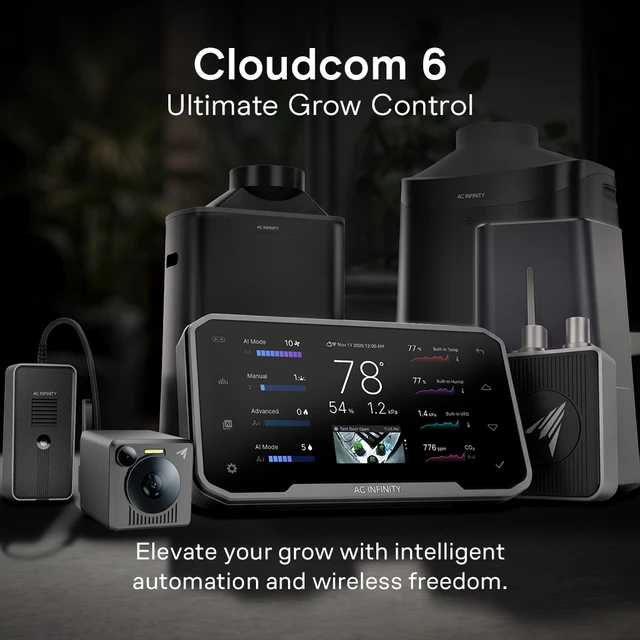
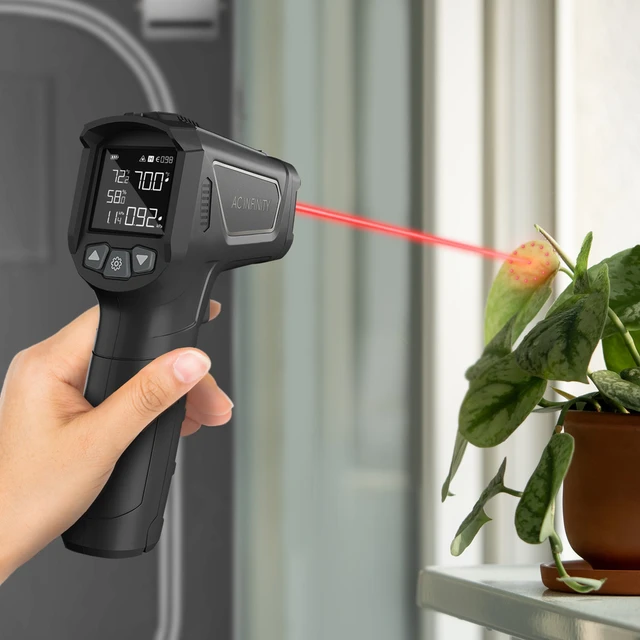
Hydroponic systems can also support automated nutrient dosing. When paired with a hydro sensor, growers can monitor key water conditions and use that information to help maintain more consistent nutrient delivery.
Since conventional soil isn't part of the hydroponic system, growers also don't need to account for soil exhaustion in the same way they would with container growing.
Hydroponics Can Waste Less Water

One of the major potential advantages of hydroponic growing is more efficient water use.
Even when plants are grown indoors in containers, some water can be lost through evaporation or runoff. Closed, recirculating hydroponic systems can capture and reuse water that would otherwise leave the root zone.
Recirculate Water
Closed hydroponic systems can capture and reuse water rather than allowing runoff to be immediately discarded.
Monitor the Reservoir
Monitoring nutrient concentrations and water conditions can help minimize unnecessary reservoir changes and associated water waste.
Recover Moisture
Some systems can incorporate moisture recovery and recirculation to further reduce water loss from the growing environment.
For growers focused on water efficiency, a carefully managed recirculating hydroponic system can substantially reduce the amount of water that leaves the system.
Greater Control Over Some Disease Pathways
Soil can provide an avenue through which some insect-borne, viral, and fungal pathogens spread.
Because hydroponic systems don't rely on conventional potting soil, growers can remove that particular growing medium from the equation and gain greater control over some potential disease pathways.
- No conventional potting soil
- Precise monitoring of pH
- Controlled nutrient concentrations
- Measurable water conditions
- Ability to make targeted system adjustments
Maintaining appropriate pH and nutrient levels can also help reduce plant stress, another important part of maintaining a healthy growing environment.
The Common Thread: Precision
The advantages of hydroponics ultimately depend on how carefully the system is planned and managed.
Monitor water availability and reservoir conditions.
Control the concentration and balance of nutrients delivered to the roots.
Track important water parameters and make adjustments when needed.
Maintain appropriate lighting, temperature, humidity, and airflow around the plants.
Hydroponics can give growers more control over individual variables, but that control is most valuable when the system is consistently monitored and adjusted around the needs of the plants.
Build Your Hydroponic Growing System
Hydroponic systems can offer considerable benefits when they are carefully planned, set up, monitored, and controlled.
Depending on the type of system, growers can reduce their reliance on conventional growing media, maximize available space, precisely manage nutrients, improve water efficiency, and create conditions that support faster growth and greater yields.
Hydroponics changes the way plants receive water and nutrients by putting much more of the root environment under the grower's control. That can open up a lot of flexibility, but it also makes accurate monitoring and consistent equipment more important. That is where hydroponics becomes useful for measurement, while pH meters and fabric pots help connect water management to the rest of the growing environment.
The advantage of hydroponics isn't simply removing soil. It's gaining more precise control over the conditions surrounding the root zone.